| Anmol Chemicals is the pioneer manufacturers of Zinc Chloride, Pharmaceutical Excipients Fragrance & Flavor chemicals in India. We offer Halal and Kosher Zinc Chloride made in an ISO9001, ISO22000 (FSSC22000) cGMP and GLP certified facility. Our group has several manufacturing facilities spread across the world, supported by toll manufacturers and representatives in UAE, Europe, Africa, USA, China and has several associated manufacturing facilities spread across India. All the Information on Physics, Chemistry, Applications, Uses and Technology on Manufacture of Zinc Chloride is in these pages. |
| The units have one or more of the certifications like FDA GMP, ISO 9001, ISO 22000, HACCP, REACH, Kosher & Halal |
 --------------
Zinc Chloride Anhydrous & Solution Manufacturers
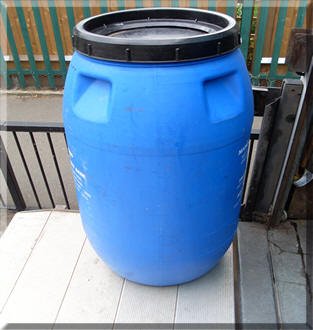
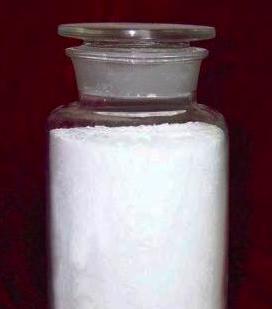
Zinc Chloride Anhydrous Solution BP USP IP ACS AR Analytical Reagent Manufacturers
For MSDS Sheet Click
Arabic مصنعي كلوريد الزنك;
Dutch Fabrikanten van zinkchloride
German Zinkchlorid Hersteller
English Zinc chloride Manufacturers
Italian Produttori di cloruro di zinco
French Fabricants de chlorure de zinc
Spanish Cloruro de zinc Fabricantes
Portuguese Fabricantes de cloreto de zinco
Synonyms: Zinc Dichloride, Zinc Butter
CAS No.: 7646-85-7
EC CODE EINECS 231-592-0
Molecular Weight: 136.30
Chemical Formula: ZnCl2
Zinc Chloride
Anhydrous Liquid Solution Brine Powder
IP BP Ph. Eur. USP ACS AR LR
| BATTERY & PHARMA GRADE | EXTRA PURE ELECTROPLATING GRADE |
| Assay= 94-98% | Assay= 98-99% |
| Appearance= Snow-white | Appearance= Snow-white |
| Ammonia as NH4Cl= 1% max | Ammonia as NH4Cl= 0.1% max |
| Alkalies and Alk.Earth= 1% max | Alkalies and Alk.Earth= 0.1% max |
| Iron & Lead= 0.005% max | Iron & Lead= 0.001% max |
| Dry Basis Assay= 99% | Dry Basis Assay= 99.5% min |
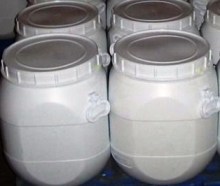
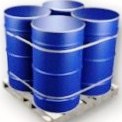
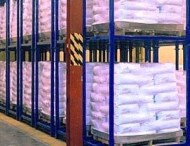
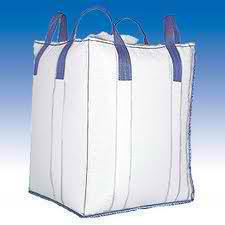
| PACKING 25-50 Kg. Leak-proof (or as required) | PACKING 25-50 Kg. Leak-proof (or as required) |
Zinc Chloride Pharma grade is used extensively by the Pharmaceutical and Fine Chemicals manufacturing industry for various complex organic reactions.
We also offer a 40% to 70% strength water solution, commonly know as Lye or Solution. This product is preferred by Battery and Adhesive manufacturers. It is extensively used for sulphur control in Oil well drilling and fracturing or fracking.
Typical Specification of Zinc Chloride Liquid Solution Lye or Brine
| PARTICULARS | LYE |
| Assay (as ZnCl2) | 40-42% (It is also offered as 70% Zinc Chloride Solution or as desired by the buyer) |
| Appearance | Water White Liquid |
| Iron & Lead | Less than 10 ppm |
| Specific Gravity | 1.40-1.45 |
We also offer Free-flowing Anti-caking Zinc Chloride.
We offer Zinc Chloride IP, BP, USP & Extra Pure made at our FDA approved world class plant Anmol Chemicals an ISO-9001-2008, ISO-22000-2005 Certified Company using standard GMP techniques
INDIAN PHARMACOPOEIA
ZINC CHLORIDE IP (ZnCl2)
MOLECULAR WEIGHT – 136.30
| Particulars | IP Grade |
| Description | White or practically white, crystalline powder, odorless, very deliquescent |
| Assay | 95.0 - 100.5 |
| pH | Between 4.6 – 6.0 |
| Aluminum, Calcium, Heavy Metals, Iron & Magnesium | Passes the Test |
| Ammonium Salts | Passes the Test |
| Oxychloride | Passes the Test |
| Sulphate | Passes the Test |
| Packing | In 50 Kgs. HDPE Drums with double HMHDP liners |
Zinc Chloride General Information
Zinc chloride, of which nine crystalline forms are known, is colorless or white and highly soluble in water. ZnCl2 itself is hygroscopic and even deliquescent. Samples should therefore be protected from sources of moisture, including the water vapor present in ambient air. It finds wide application in textile processing, metallurgical fluxes, and chemical synthesis. No mineral with this chemical composition as ZnCl2 is known although a very rare mineral, simonkolleite, Zn5(OH)8Cl2·H2O is known.
Structure and basic properties
Four crystalline forms, so-called polymorphs, of ZnCl2 are known, and in each case the Zn2+ ions are tetra-hedrally coordinated to four chloride ligands. Rapid cooling of molten ZnCl2 gives a glass, that is, a rigid amorphous solid. Additionally ZnCl2 forms hydrates and at least one mixed hydroxide, ZnClOH.
The covalent character is of the anhydrous material is indicated by its relatively low melting point of 275C. Further evidence for covalency is provided by the high solubility of the dichloride in etherial solvents such as wherein it forms adducts with the formula ZnCl2L2 where L = ligand such as O(C2H5)2. Consistent with the Lewis acidity of Zn2+, aqueous solutions of ZnCl2 are acidic solutions: a 6 M aqueous solution has a pH of 1.
Four hydrates of ZnCl2 are known. ZnCl2(H2O)4 crystallizes from aqueous solutions of ZnCl2. Also characterized are ZnCl2(H2O)n where n = 1, 1.5, 2.5, and 3. When hydrated zinc chloride is heated, one obtains a residue of ZnOHCl
In aqueous solution, It fully dissociates into Zn2+. Thus, although many zinc salts have different formulas and different crystal structures, these salts behave very similarly in aqueous solution. For example, solutions prepared from any of the polymorphs of ZnCl2 as well as other halides (bromide, iodide) and the sulfate can often be used interchangeably for the preparation of other zinc compounds. Illustrative is the preparation of zinc carbonate:
ZnCl2(aq) + Na2CO3(aq) → ZnCO3(s) + 2 NaCl(aq)
Preparation and purification
Anhydrous ZnCl2 can be prepared from zinc and hydrogen chloride.
Zn + 2 HCl → ZnCl2 + H2
Hydrated forms and aqueous solutions may be readily prepared by treating pieces of Zn metal with concentrated hydrochloric acid. Zinc oxide and zinc sulfide react with HCl:
ZnS(s) + 2 HCl(aq) → ZnCl2(aq) + H2S(g)
Unlike many other elements, zinc essentially exists in only one oxidation state, 2+, which simplifies purification.
Commercial samples of Zinc chloride typically contain water and products from hydrolysis product. Such samples may be purified by extraction into hot dioxane, which is filtered hot and the filtrate is cooled to afford a precipitate of ZnCl2. Anhydrous samples of Zinc chloride can be purified by sublimation in a stream of hydrogen chloride gas, followed by heating to 400C in a stream of dry nitrogen gas. Finally, the simplest method relies on treating the zinc chloride with thionyl chloride.
Applications
As a metallurgical flux
ZnCl2 has the ability to attack metal oxides (MO) to give derivatives of the formula MZnOCl2. This reaction is relevant to the utility of Zinc chloride as a flux for soldering - it dissolves oxide coatings exposing the clean metal surface. Typically this flux was prepared by dissolving zinc foil in dilute hydrochloric acid until the liquid ceased to evolve hydrogen; for this reason, such flux was once known as killed spirits. Because of its corrosive nature, this flux is not suitable for situations where any residue cannot be cleaned away, such as electronic work. This property also leads to its use in the manufacture of magnesia cements for dental fillings and certain mouthwashes as an active ingredient.
In organic synthesis
In the laboratory, Zinc chloride finds wide use, principally as a moderate-strength Lewis acid. It can catalyze (A) the Fischer indole synthesis, and also (B) Friedel-Crafts acylation reactions involving activated aromatic rings.
Related to the latter is the classical preparation of the dye fluorescein from phthalic anhydride and resorcinol, which involves a Friedel-Crafts acylation. This transformation has in fact been accomplished using even the hydrated ZnCl2.
Hydrochloric acid alone reacts poorly with primary alcohols and secondary alcohols, but a combination of HCl with ZnCl2 (known together as the "Lucas reagent") is effective for the preparation of alkyl chlorides. Typical reactions are conducted at 130°C. This reaction probably proceeds via an SN2 mechanism with primary alcohols but SN1 pathway with secondary alcohols.
Zinc chloride also activates benzylic and allylic halides towards substitution by weak nucleophiles such as alkenes:
In similar fashion, Zinc chloride promotes selective NaBH3CN reduction of tertiary, allylic or benzylic halides to the corresponding hydrocarbons.
It is also a useful starting reagent for the synthesis of many organozinc reagents, such as those used in the palladium catalyzed Negishi coupling with aryl halides or vinyl halides. In such cases the organozinc compound is usually prepared by transmetallation from an organolithium or a Grignard reagent.
Zinc enolates, prepared from alkali metal enolates and Zinc chloride, provide control of stereochemistry in aldol condensation reactions due to chelation on to the zinc. The threo product was favored over the erythro by a factor of 5:1 when Zinc chloride in DME/ether was used. The chelate is more stable when the bulky phenyl group is pseudo-equatorial rather than pseudo-axial, i.e., threo rather than erythro.
In textile processing
Concentrated aqueous solutions, more than 64% weight/weight Zinc chloride in water have the interesting property of dissolving starch, silk, and cellulose. Thus, such solutions cannot be filtered through standard filter papers. Relevant to its affinity for these materials, it is used as a fireproofing agent and in fabric "refresheners" such as Febreze.
Zinc chloride is used for Friedel Craft Reaction, Azotropic or Azeotropic Distillation, Desiccation & Karl Fischer.
Zinc - Clinical Pharmacology
Zinc is an essential nutritional requirement and serves as a cofactor for more than 70 different enzymes including carbonic anhydrase, alkaline phosphates, lactic dehydrogenase, and both RNA and DNA polymerase. Zinc facilitates wound healing, helps maintain normal growth rates, normal skin hydration, and the senses of taste and smell.
Zinc resides in muscle, bone, skin, kidney, liver, pancreas, retina, prostate and particularly in the red and white blood cells. Zinc binds to plasma albumin, α2-macroglobulin, and some plasma amino acids including histidine, cysteine, threonine, lysine, and asparagine. Ingested Zinc is excreted mainly in the stool (approximately 90%), and to a lesser extent in the urine and in perspiration.
Providing Zinc helps prevent development of deficiency symptoms such as: Parakeratosis, hypogeusia, anorexia, dysosmia, geophagia, hypogonadism, growth retardation and hepatosplenomegaly.
The initial manifestations of hypoZincemia in TPN are diarrhea, apathy and depression. At plasma levels below 20 mcg Zinc/100 mL dermatitis followed by alopecia has been reported for TPN patients. Normal Zinc plasma levels are 100 ± 12 mcg/100 mL
Zinc 1 mg/mL (Zinc Chloride Injection, USP) is a sterile, nonpyrogenic solution intended for use as an additive to intravenous solutions for total parenteral nutrition (TPN. Each mL of solution contains 2.09 mg Zinc chloride and 9 mg sodium chloride. The solution contains no bacteriostat, antimicrobial agent or added buffer. The pH is 2.0 (1.5 to 2.5); product may contain hydrochloric acid and sodium hydroxide for pH adjustment. The osmolarity is 0.354 m0smoL/mL (calc.).
Zinc Chloride, USP is chemically designated ZnCl2, a white crystalline compound freely soluble in water.
Reactions
Molten anhydrous ZnCl2 at 500 - 700°C dissolves zinc metal and on rapid cooling of the melt a yellow diamagnetic glass is formed which Raman studies indicate contain the Zn22+ ion.
A number of salts containing the tetrachlorozincate anion, ZnCl42−, are known. "Caulton's reagent," V2Cl3(thf)6Zn2Cl6 is an example of a salt containing Zn2Cl62−. The compound Cs3ZnCl5 contains tetrahedral ZnCl42− and Cl− anions. No compounds containing the ZnCl64− ion have been characterized.
Whilst zinc chloride is very soluble in water, solutions cannot be considered to contain simply solvated Zn2+ ions and Cl− ions, ZnClxH2O(4−x) species are also present.
Aqueous solutions of Zinc chloride are acidic: a 6 aqueous solution has a pH of 1. The acidity of aqueous ZnCl2 solutions relative to solutions of other Zn2+ salts is due to the formation of the tetrahedral chloro aqua complexes where the reduction in coordination number from 6 to 4 further reduces the strength of the O-H bonds in the solvated water molecules.
In alkali solution in the presence of OH− ion various zinc hydroxychloride anions are present in solution, e.g.ZnOH3Cl2−, ZnOH2Cl22−, ZnOHCl32−, and Zn5OH2Cl3.H2O (simonkolleite) precipitates.
When ammonia is bubbled through a solution of zinc chloride the hydroxide does not precipitate, instead compounds containing complexed ammonia (ammines) are produced, Zn(NH3)4Cl2.H2O and on concentration ZnCl2(NH3)2. The former contains the Zn(NH3)62+ ion and the latter is molecular with a distorted tetrahedral geometry. The species in aqueous solution have been investigated and show that Zn(NH3)42+ is the main species present with Zn(NH3)3Cl+ also present at lower NH3:Zn ratio.
Aqueous zinc chloride reacts with zinc oxide to form an amorphous cement which was first investigated in the 1855 by Sorel who later he went on to investigate the related magnesium oxychloride cement which bears his name.
When hydrated zinc chloride is heated, one obtains a residue of Zn(OH)Cl e.g.
ZnCl2.2H2O → ZnCl(OH) +2HCl +H2O
The compound ZnCl2.½HCl.H2O may be prepared by careful precipitation from a solution of ZnCl2 acidified with HCl and it contains a polymeric anion (Zn2Cl5 −)n with balancing monohydrated hydronium ions, H5O2+ ions.
The formation of highly reactive anhydrous HCl gas formed when zinc chloride hydrates are heated is the basis of qualitative inorganic spot tests.
The use of zinc chloride as a flux, sometimes in a mixture with ammonium chloride, involves the production of HCl and its subsequent reaction with surface oxides. Zinc chloride forms two salts with ammonium chloride, (NH4)ZnCl4 and (NH4)3ClZnCl4, which decompose on heating liberating HCl just as zinc chloride hydrate does.
Cellulose dissolves in aqueous solutions of ZnCl2 and zinc-cellulose complexes have been detected. Cellulose also dissolves in molten ZnCl2 hydrate and carboxylation and acetylation performed on the cellulose polymer.
Thus, although many zinc salts have different formulas and different crystal structures, these salts behave very similarly in aqueous solution. For example, solutions prepared from any of the polymorphs of ZnCl2 as well as other halides (bromide, iodide) and the sulfate can often be used interchangeably for the preparation of other zinc compounds. Illustrative is the preparation of zinc carbonate:
ZnCl2(aq) + Na2CO3(aq) → ZnCO3(s) + 2 NaCl(aq)
USES
Dry Cell or Batteries: Zinc chloride is commonly used in dry cell batteries as an electrolyte where it also acts as a moisture absorbent and corrosion inhibitor. It is an excellent water soluble Zinc source for uses compatible with chlorides. Chloride compounds can conduct electricity when fused or dissolved in water. Chloride materials can be decomposed by electrolysis to chlorine gas and the metal. They are formed through various chlorination processes whereby at least one chlorine anion (Cl-) is covalently bonded to the relevant metal or cation. It is generally immediately available in most volumes and high purity.
A Zinc chloride battery is a heavy duty variation of a zinc carbon battery. It is used in applications that require moderate to heavy current drains. These batteries have better voltage discharge per time characteristics and better low temperature performance than carbon zinc batteries. These batteries are used in radios, flashlights, lanterns, fluorescent lanterns, motor driven devices, portable audio equipments, communications equipments, electronic games, calculators, and remote control transmitters.
Electroplating: Today, there are three primary types of acid zinc plating baths: straight ammonium chloride, straight potassium chloride and mixed ammonium chloride/potassium chloride. Acid zinc plating systems have several advantages over alkaline cyanide and alkaline non-cyanide zinc plating systems except that in acid zinc plating, the electrolyte is extremely corrosive.
Ammonium chloride zinc plating. The ammonium chloride bath is the most forgiving of the three major types of acid zinc plating because of its wide operating parameters. The primary drawback of this system is the high level of ammonia, which can cause problems in wastewater treatment. Ammonia acts as a chelator, and if the rinse waters are not segregated from other waste streams, removal of metals to acceptable levels using standard water treatment practices can be difficult and expensive. Ammonia is also regulated in many communities.
Potassium chloride zinc plating. Potassium chloride zinc plating solutions are attractive because they contain no ammonia. The disadvantages of this system are a greater tendency to burn on extreme edges and higher operating costs. The potassium bath also requires the use of relatively expensive boric acid to buffer the solution and prevent burning in the high-current-density areas, functions performed by the ammonium chloride in the other systems.
Mixed ammonium chloride/potassium chloride zinc plating. This bath combines the best of the ammonia and ammonia-free baths. Because potassium chloride is less expensive than ammonium chloride, the maintenance costs of the mixed bath are lower than the ammonia bath, and it does not require boric acid. The ammonia levels in the rinse waters are low enough that it does not significantly interfere with wastewater treatment, even if plating nickel and copper in the same plant with mixed waste streams. If local regulations restrict the level of ammonia discharged, special waste treatment equipment will be required, and the non-ammonia bath is most likely the best choice.
Galvanizing, Soldering and Tinning Fluxes: Zinc chloride is used in fluxes for galvanizing, soldering and tinning. Its ability to remove oxides and salts from metal surfaces insures good metal to metal bonding. It has the ability to attack metal oxides (MO) to give derivatives of the formula MZnOCl2. This reaction is relevant to the utility of Zinc chloride as a flux for soldering - it dissolves oxide coatings exposing the clean metal surface. Typically this flux was prepared by dissolving zinc foil in dilute hydrochloric acid until the liquid ceased to evolve hydrogen; for this reason, such flux was once known as killed spirits or "Marela".
Agriculture: It is very rarely used in agriculture. It may be reacted with chelating agents to form solutions of zinc that are biologically available to plants and animals. It's the Chelate manufacturing that consumes Zinc chloride.
Petroleum: It is an excellent emulsion breaker and is used to separate oil from water. It is also an effective packer fluid in oil and gas wells due to its high specific gravity. However its a little more costly than the other low specific gravity fluids used in the process.
Water Treatment: It is used in specialty corrosion inhibitors in cooling towers, potable water, and in gas and oil wells.
Resins: It is used in Ion - Exchange resins production.
Paints: It is used in for the production of lithopone and as pigment for zinc chromate.
Rubber: It is used as accelerator in the vulcanizing process of rubber.
Glue, wood working: Zinc chloride is used in for the preservation of glue, and for the impregnation of timber.
Printing: It is used in off-set in the chemical products.
Odor Control: It reacts with sulfide to minimize release of H2S gas in waste treatment facilities.
Oil-Gas Wells: High-density solutions of Zinc chloride and Calcium chloride give good performance in well completion and work-over operations; the solutions also used as packer fluids under certain well conditions. ZnCl2 has been used in specialty corrosion inhibitors and invert emulsion breakers.
Vulcanized Fiber & Reclaimed Rubber: Water-leaf paper is gelatinized with zinc chloride solution is lesstacky, drier and less moisture-absorbent than caustic reclaimed rubber. The ZnCl2 not only dissolves the cellulosic fibers in the scrap, but also catalyzes depolymerization of the elastomer. Similar method is used for Rubber reclaimed from natural, styrene-butadiene rubber (SBR), and mixed scrap.
Animal drug: It is used for the production of zinc bacitracin.
Herbicide: Zinc chloride is used as an herbicide. It is used to control lichen and moss growing on the roofs of houses and other domestic dwellings, along walks, driveways, fences, and wherever moss grows.
Chemical: Zinc Chloride is used in the production of ethylacetate. It is used as condensing agent for the production of organic dye-stuff. It is used as a stabilizing agent for diazonium compounds. It is used for the production of active carbon. Zinc Chloride is used for Friedel Craft Reaction, Azotropic or Azeotropic Distillation, Desiccation & Karl Fischer. Zinc laurate, linoleate Stearate or resinate can be formed from zinc chloride solutions and solutions of the corresponding sodium salt. It is a Lewis acid and therefore electrophilic in character. Its catalytic activity is milder than that of aluminum chloride in, for example, Friedel-Crafts type reactions. It is particularly effective in catalyzing reactions that eliminate molecules of water, ammonia or mercaptans. Zinc chloride solutions gelatinize cellulosic materials and induce crosslinking in such polymer formers as the methylol ureas. It absorbs readily on charcoal or silica for catalyzing acylations and alkylations by Friedel-Crafts synthesis. In esterifications and condensation reactions, it facilitates the elimination of water or ammonia molecules from the reactants. One example is the Fischer idole synthesis.
Miscellaneous:
Zinc chloride has been used as a catalyst in production of methylene chloride from methyl alcohol.
In the textile industry it has found use in resin systems to impart durable press to cotton and synthetic fabrics.
It has been used in reclaiming rubber where it dissolves rayon cord.
In conjunction with sodium dichromate it has made an excellent wood preservative.
It has found use in the manufacture of glue, diazo dyes, paper, cosmetics, rayon, synthetic fibers, disinfectants and fire fighting foam.
In ore refining it has been used as a flotation agent.
It is an excellent source of zinc as a starting material in the production of other zinc chemicals and is an effective catalyst for removing molecules of water, ammonia or mercaptants.
Zinc chloride is used for Friedel Craft Reaction, Azotropic or Azeotropic Distillation, Desiccation & Karl Fischer.
In the laboratory, Zinc chloride finds wide use, principally as a moderate-strength Lewis acid. It can catalyze the Fischer indole synthesis and also Friedel-Crafts acylation reactions involving activated aromatic rings.
Related to the latter is the classical preparation of the dye fluorescein from phthalic anhydride and resorcinol, which involves a Friedel-Crafts acylation.
Hydrochloric acid alone reacts poorly with primary alcohols and secondary alcohols, but a combination of HCl with ZnCl2 (known together as the "Lucas reagent") at 130C is effective for the preparation of alkyl chlorides. This probably reacts via an SN2 mechanism with primary alcohols but via SN1 with secondary alcohols.
ZnCl2 is also able to activate benzylic and allylic halides towards substitution by weak nucleophiles such as alkenes.
In similar fashion, it promotes selective NaBH3CN reduction of tertiary, allylic or benzylic halides to the corresponding hydrocarbons.
Zinc chloride is also a useful starting point for the synthesis of many organozinc reagents, such as those used in the palladium catalyzed Negishi coupling with aryl halides or vinyl halides. In such cases the organozinc compound is usually prepared by transmetallation from an organolithium or a Grignard reagent.
Zinc enolates, prepared from alkali metal enolates and ZnCl2, provide control of stereochemistry in aldol condensation reactions due to chelation on to the zinc. This is because the chelate is more stable when the bulky phenyl group is pseudo-equatorial rather than pseudo-axial, i.e., threo rather than erythro.
Zinc Chloride ACS Analytical Reagent AR
Zinc Chloride IP BP USP
Zinc Chloride Liquid Solution
Zinc Ammonium Chloride
Zinc Sulfate Heptahydrate Monohydrate Anhydrous
Zinc Carbonate Manufacturers
Zinc Chloride BP USP Anhydrous Solution manufacturers:
Anmol Chemicals
S-8, SARIFA MANSION, 2ND FLANK ROAD, CHINCHBUNDER, MUMBAI 400009, INDIA
TEL: (OFFICE) 91-22-23770100, 23726950, 23774610, 23723564. FAX: 91-22-23728264
e-mail: anmolc@mtnl.net.in
Aluminium chloride -- Aluminum chloride -- Barium chloride -- Calcium Oxide -- Chromium Chloride -- Cupric chloride -- Magnesium Chloride -- Manganese Chloride -- Potassium Bitartrate -- Cream of Tartar
Product Links: ---- Ammonium Chloride --- Calcium Chloride --- Potassium Chloride --- Sodium Acetate --- Zinc Carbonate --- Zinc Oxide --- Zinc Peroxide --- Zinc Sulfate
Exports to USA, Canada, UAE, Dubai, South Africa, Tanzania, Kenya, Nigeria, Egypt, Uganda, Turkey, Mexico, Brazil, Chile, Argentina, Europe Netherlands, Italy, Spain, Germany, Portugal, France, Malaysia, Indonesia, Thailand, Korea, Vietnam, Japan, etc.